
Inform with Accuracy. Report with Care.


Journalists shape public understanding of mental health and suicide. Responsible reporting can reduce stigma and encourage help-seeking and prevent suicide contagion, while unethical coverage may negatively influence the health outcomes of those who are vulnerable or at risk of suicide. This hub offers guidelines, expert insights, and ethical reporting guidance to support accurate, compelling storytelling that positively impacts society.
Ethical Reporting And Why It Matters
Ethical reporting on suicide and mental health can save lives. Ethical coverage ensures that information is accurate, and free from sensationalism, encouraging help-seeking behaviors rather than distress. This section provides guidance for media professionals and public messengers to ensure their messaging is hopeful and impactful.

Media Inquiry Request
Need to speak with an expert? Submit a request for interviews, expert commentary, consultation on a story, or additional information.

Subject Matter Experts
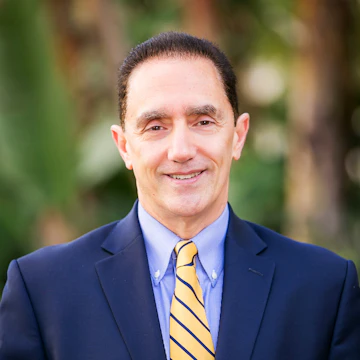
Access bios of AFSP experts, available for media interviews, panel discussions, and commentary on responsible mental health coverage.



Suicide Statistics And Research
AFSP Suicide Statistics
Get the latest data on suicide rates, risk factors, and prevention efforts.
Harris Poll
A national study co-developed by AFSP on public attitudes towards suicide prevention and mental health awareness.
Press Releases And Media Statements
Find official press releases, media advisories, and public statements from AFSP, ensuring accurate reporting and up-to-date information.


Reporting on Suicide Prevention
The latest statistics on suicide and guidance for journalists on how to report safely and accurately about suicide.


AFSP’s Work in the Media
Find official press releases, media advisories, and public statements from AFSP, ensuring accurate reporting and up-to-date information.
Reporting on Suicide Prevention
The latest statistics on suicide and guidance for journalists on how to report safely and accurately about suicide.
Ethical Reporting Coverage Showing Best Practices
Responsible reporting shapes public perception and plays a crucial role in suicide prevention. Below are examples of journalists applying ethical reporting principles, demonstrating accurate, stigma-free, and solution-oriented coverage.
Reporting on Suicide Prevention
The latest statistics on suicide and guidance for journalists on how to report safely and accurately about suicide.
Additional Sources on Ethical Reporting
Action Alliance for Suicide Prevention
U.S. Surgeon General’s Mental Health Advisory
ReportingOnSuicide.org
World Health Organization (WHO) Suicide Prevention Resources
Associated Press Stylebook – Entry on “Suicide”
Visual Insights for Responsible Reporting
Explore powerful visuals that inspire responsible storytelling.



Bring Ethical Reporting Training to Your Newsroom
AFSP offers a free 30-minute training session on ethical reporting for journalists. This presentation is designed to equip reporters with best practices for covering suicide in a safe, accurate, and compassionate way.
To schedule a training for your newsroom:

Local and national media
Commit to Ethical Reporting—Download the Guide Today
Your reporting has the power to prevent suicide by shaping more supporting conversations, reducing stigma, and guiding people toward help. Use these guidelines to ensure your stories inform, educate, and help those at risk for suicide.
Looking for additional support? Download our journalist toolkit or contact AFSP for expert guidance.
Get in Touch
We'd love to hear from you anytime!