

Every post, story, and video influences how people view mental health. Whether sharing personal experiences or raising awareness, your voice matters. These guidelines help you create content that informs, supports, and inspires—while avoiding harm.
Use Your Voice to Make a Difference
Apply to join the Lifesaver Ambassadors Program to be a part of a special community dedicated to preventing suicide. As part of the program, you’ll gain access to experts, tools, and insights to craft responsible mental health content. If you’re looking to use your platform for good, start here.
Posting Responsibly, Inspiring Change
Use Safe and Supportive Language
Say “died by suicide” instead of “committed suicide.”
Emphasize that help is always available, and that recovery is possible. Mental health is something that can be managed, just like physical health.
Inspire hope and education: Rather than focusing solely on a moment of pain, such as a suicide loss or the story of an attempt, emphasize the journey.
Avoid Harmful Content and Language
Do not glorify, romanticize, or sensationalize mental health struggles.
Don’t refer to lethal means or method used in an attempt. Avoid including details such as method, location, or notes left behind, since graphic descriptions can be harmful to those who struggle, and cause contagion.
Avoid phrases like “mental breakdown” when referring to real conditions.
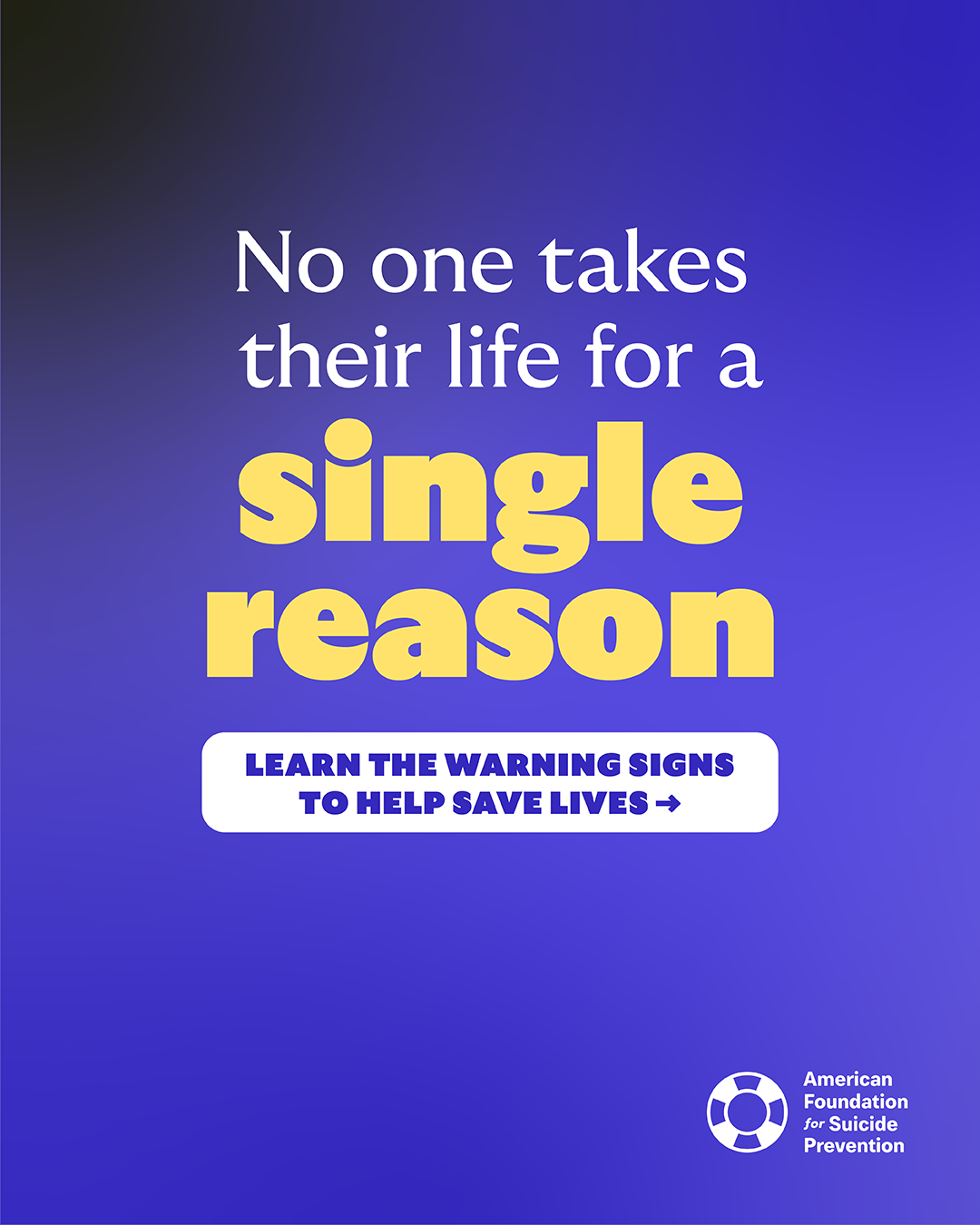
Don’t simplify suicide. Research shows that no one takes their life for a single reason, such as a job loss or divorce.
Share Crisis
Resources
Include trusted helplines and resources in all your content, such as the 988 Suicide & Crisis Lifeline, Crisis Text Line and mental health organizations.
Direct your audience to professional support, not self-diagnosis or misinformation.
Building a Supportive and Positive Community


Encourage Open Conversations — But Set Boundaries
Engage with empathy, but remember you are not a mental health professional.
Set clear community guidelines to keep discussions safe.

Use Your Influence to Amplify Mental Health Awareness
Collaborate with mental health organizations like AFSP.
Share credible resources such as AFSP-funded research instead of viral misinformation.

Responding to Sensitive Comments and Messages
If someone shares distressing content, redirect them to professional support.
For those who have lost a loved one to suicide, direct them to afsp.org/loss for resources to find comfort and support.
When in doubt, include resources like the 988 Suicide and Crisis Lifeline and the Crisis Text Line (text TALK to 741741) for those in immediate crisis, and afsp.org to learn more.
Lifesaver Ambassadors Program
AFSP is building a community of creators dedicated to mental health awareness and suicide prevention. The Lifesaver Ambassadors program is an influencer-led collective that has been established to drive ongoing storytelling to amplify mental health and suicide prevention messaging, raise awareness about the warning signs of suicide, and encourage people to talk openly about suicide, emphasizing the critical role that these important conversations play in suicide prevention.
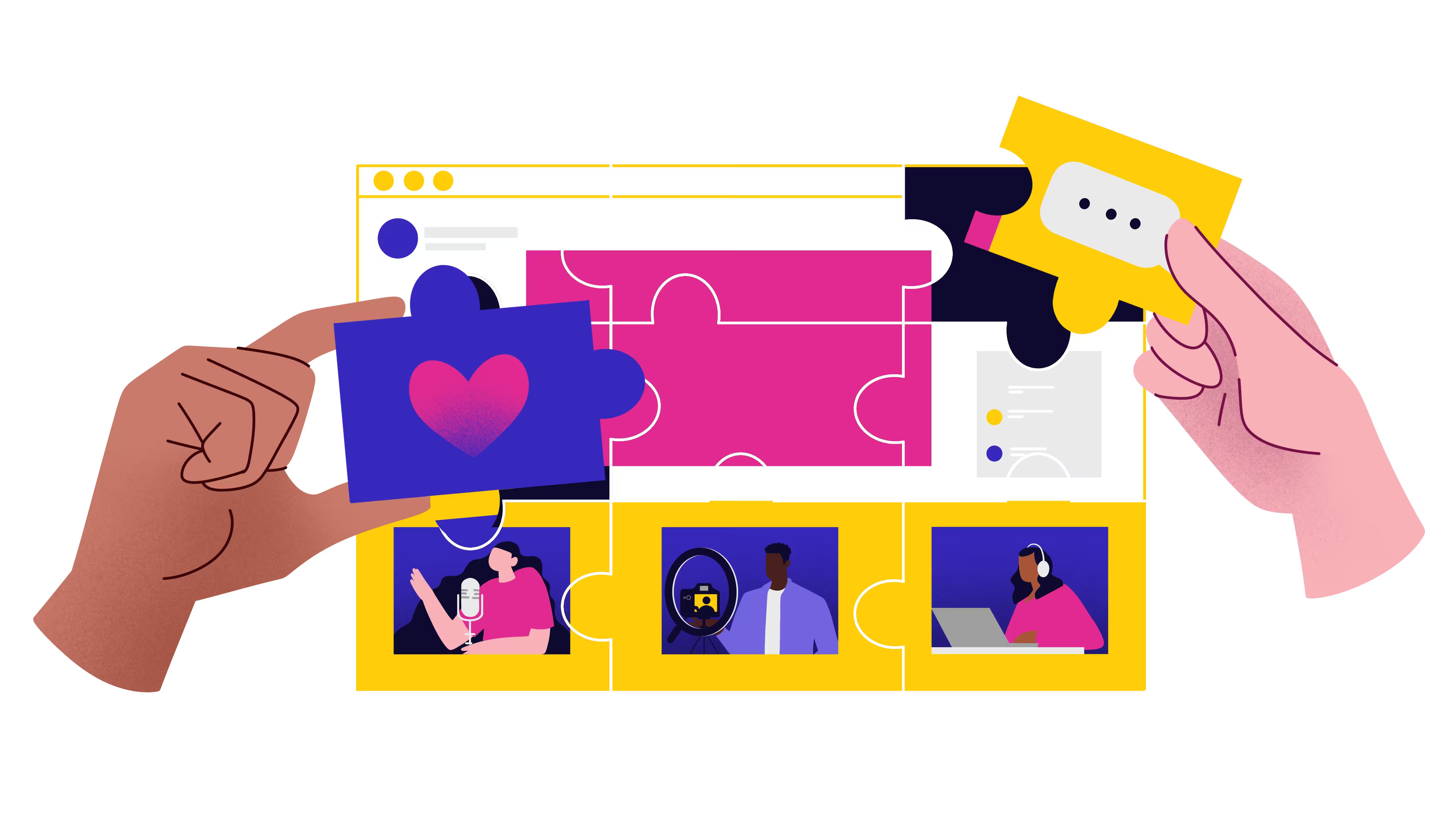
Meet Our Lifesavers










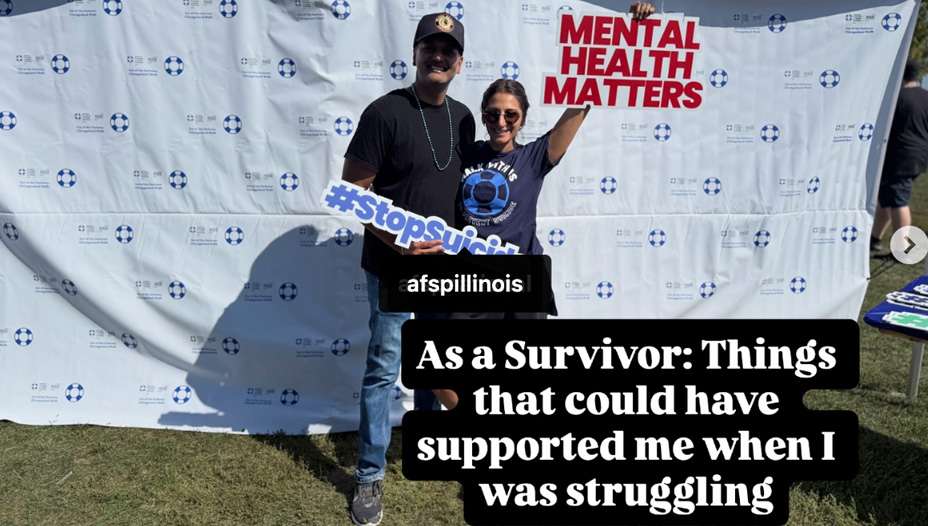
Breaking Stigma Through Vulnerability
Influencer Jyoti K. Chand joined the AFSP Chicago Chapter for an Out of the Darkness Walk in her community
Reached over 58K views, sparking open mental health discussions in the comments

Practicing Resilience: What Helps You Stay Here?
Shared tips and guidance for resilience and posed a question to spark engagement
Reached over 76K views and created a safe space for people to share how they practice resilience
Creators Making a Difference

Influencer Impact: Mental Health Awareness Through Social Media
Impact
Through our Lifesaver Ambassadors sharing short videos, personal anecdotes, and interactive Q+A's, our ambassadors reach millions of followers, providing support and education in an accessible way.
Key Takeaway
Digital content has the power to destigmatize mental health and create a sense of community for those who feel alone in their struggles.
Social Graphics to Download and Share
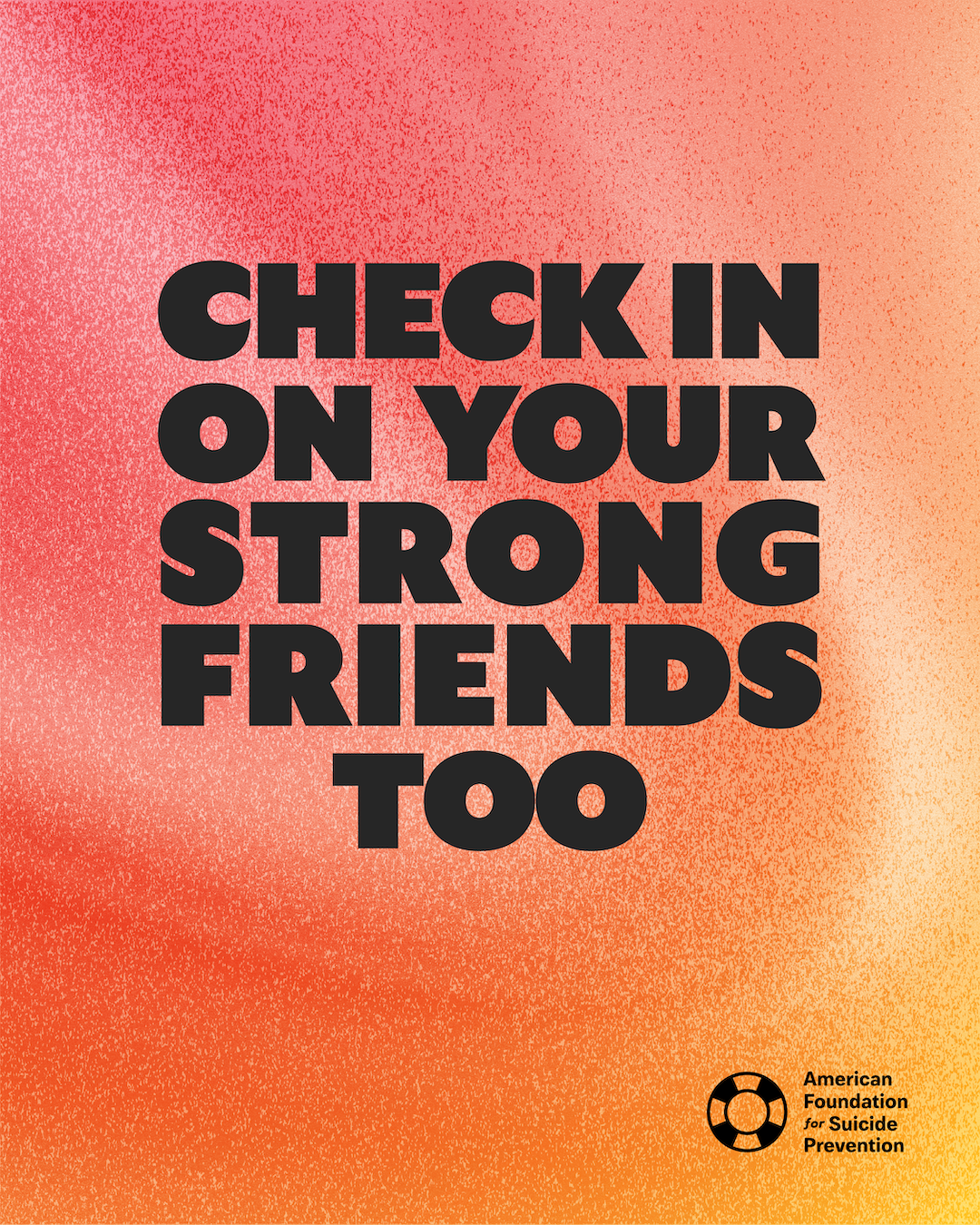
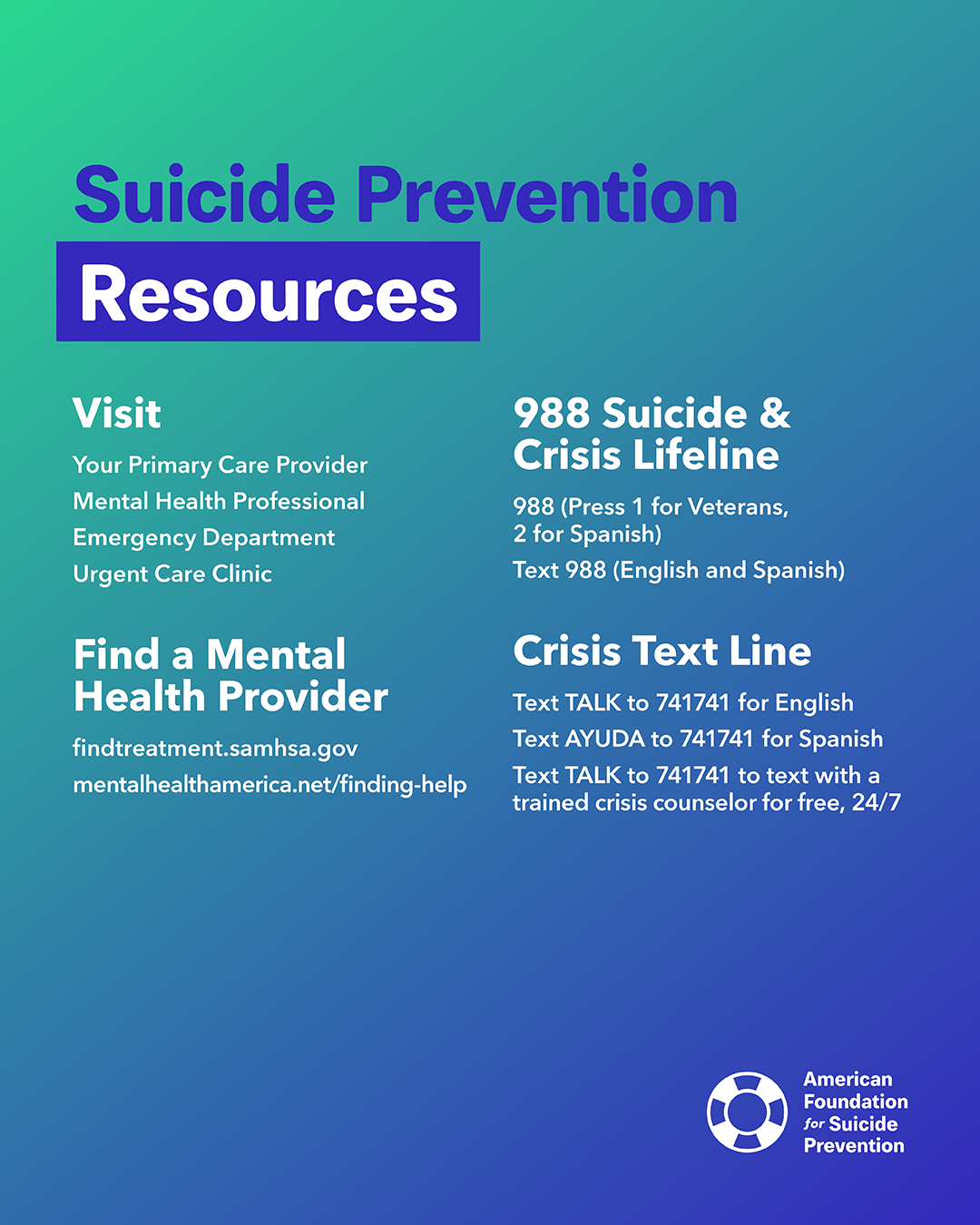
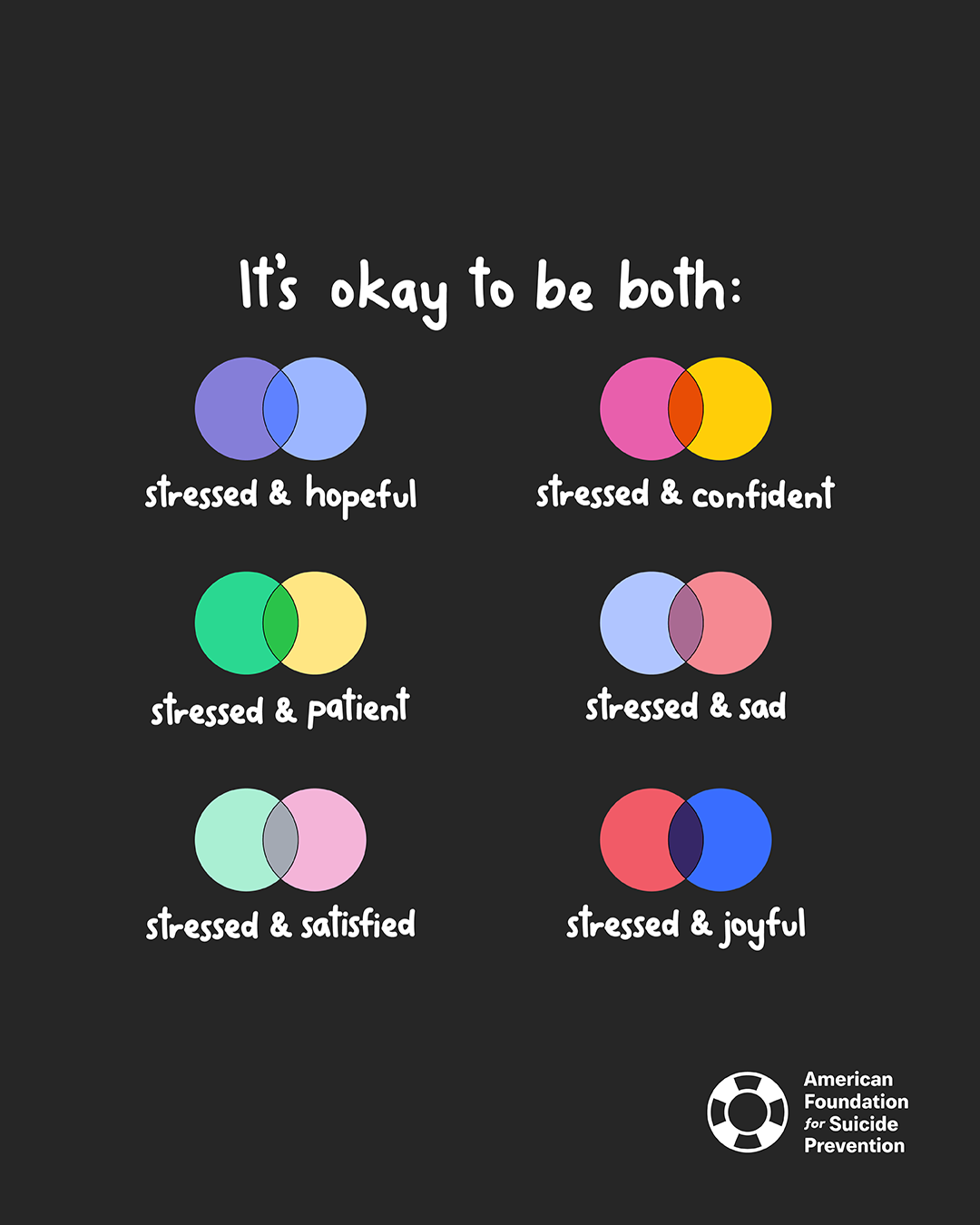

Get in Touch
We'd love to hear from you anytime!