
Suicide and
Safe Storytelling
Guidance for Journalists, the Entertainment Industry, and Social Media Creators
For Journalists and Newsroom
Guidelines for journalists, and media professionals and public messengers
For the Entertainment Industry
Best practices for film, television,TV, theatrical and podcast projects, writers and digital creators, and music industry professionals
The way we tell stories and share experiences involving suicide matters. Whether it’s a film, TV show, news article, social media post, short story, book, graphic novel, or a narrative shared on stage or in a podcast, research shows that stories can have a big effect – positive or negative – on audience members, particularly those who may currently be struggling with their mental health.

American Foundation for Suicide Prevention and The Jed Foundation
Announce plans to come together to prevent suicide across the lifespan and bring hope to those affected by suicide loss and risk.

AFSP’s Safe Storytelling Studio provides evidence-based guidelines designed to help you:
raise our culture’s awareness and understanding about this leading cause of death
avoid the risk of unintended harmful effects on your audience, such as suicide contagion
deepen your stories with authentic dialogue, characters and experiences
A Smarter Way to Tell Mental Health Stories
What You'll Find
Evidence-based guidance for responsible storytelling.
Who It’s For
Journalists, screenwriters and entertainment industry professionals, storytellers, and content creators and influencers.
How It Helps
Ensures accurate, research-based mental health representation; avoids misrepresentation and the possibility of harm for audience members who may be at risk; and encourages narratives that support awareness and encourage help-seeking
Your Impact
Shape narratives that raise our culture’s understanding of suicide and mental health, and educate, empower, and inspire action.
Inspiring Better Conversations
Mental health intersects with every story we tell—sometimes in ways we don’t immediately recognize.
The American Foundation for Suicide Prevention’s Safe Storytelling Studio exists to support journalists, entertainment industry professionals, filmmakers, influencers, and digital storytellers with researched-based guidance in portraying suicide and mental health safely and accurately.

This resource hub ensures that storytelling related to suicide and mental health raises our culture’s awareness, reduces stigma, avoids the risk of suicide contagion, raises hope, models authentic (and possibly lifesaving) conversations, encourages help-seeking, and inspires positive action.
Resources to Elevate Your Storytelling
The Safe Storytelling Studio provides evidence-based guidance to help you create content that’s both compelling and responsible.
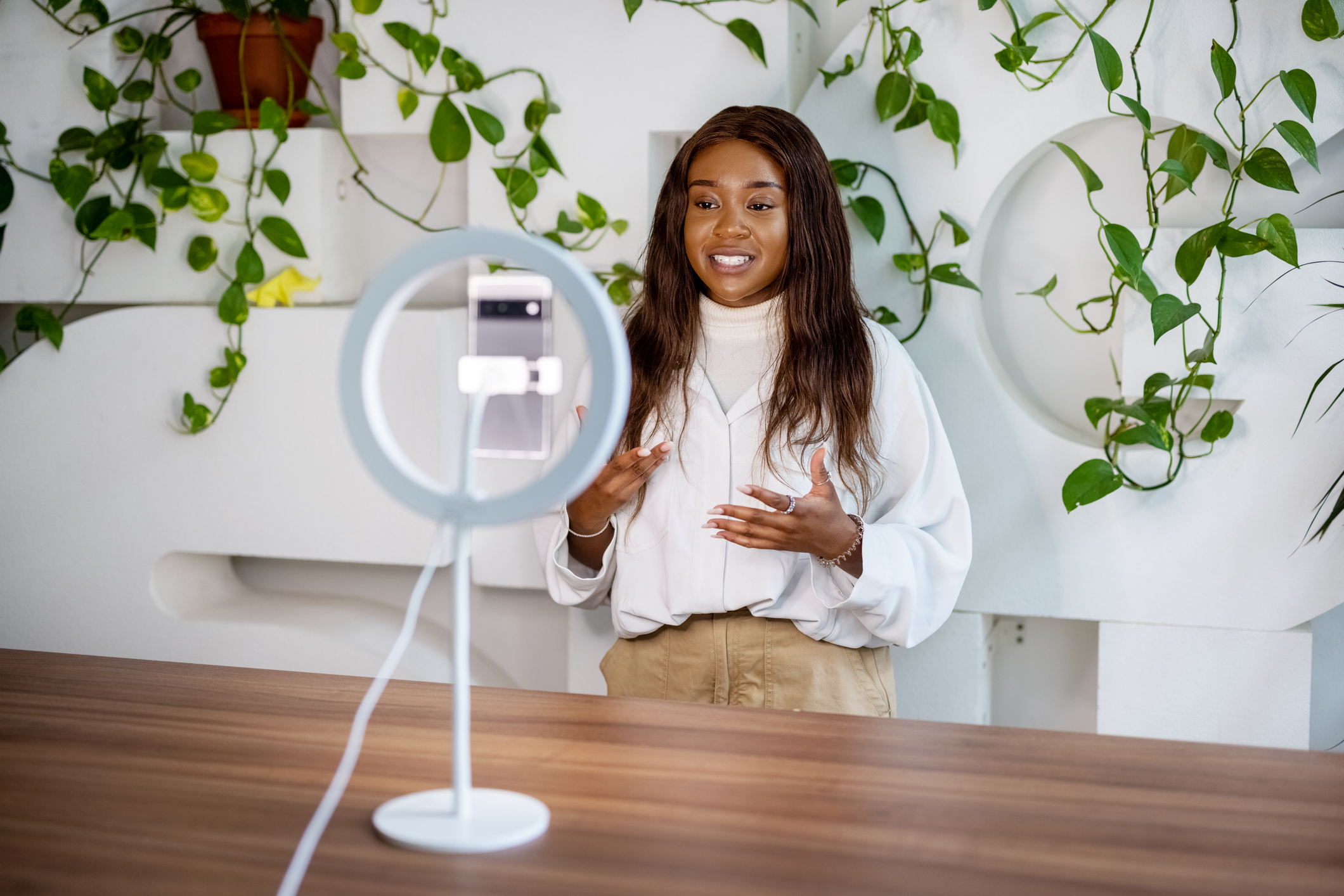

How to Talk Safely About Suicide
As an influencer or content creator, you have the power to send the message that we all have mental health, that no one is alone, and that help is available.
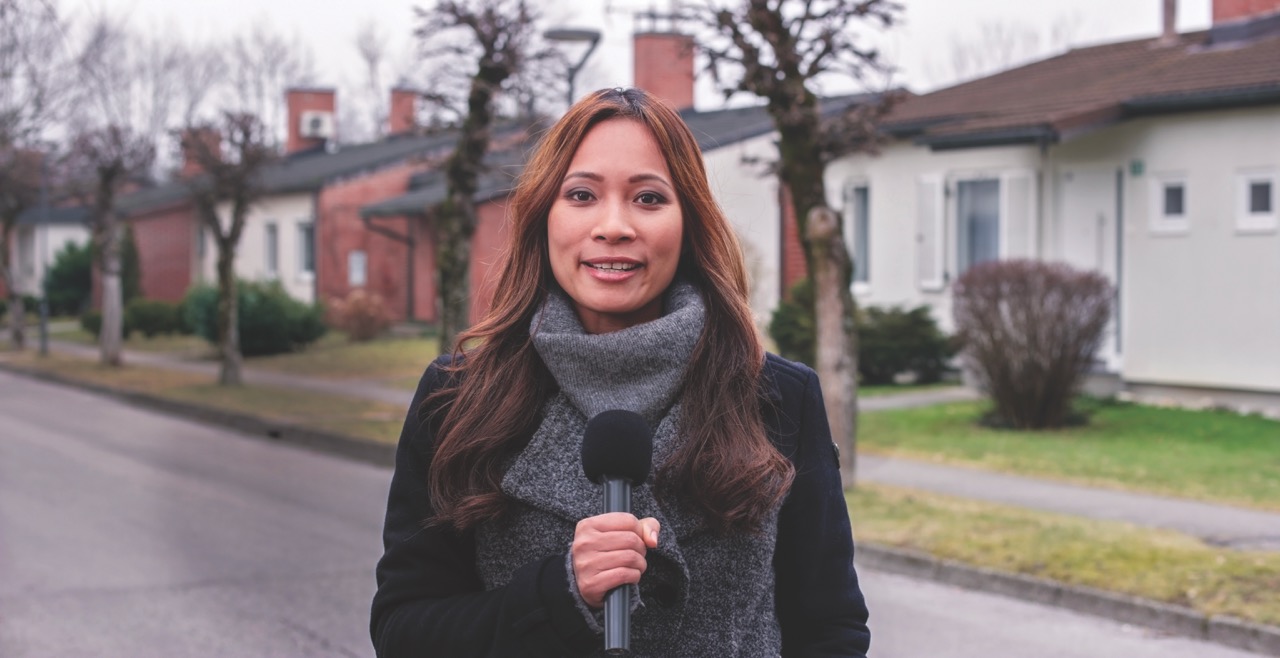
Journalists Leading on Ethical Reporting on Suicide
When reporting on suicide, ethical practices aren't just about respect — they're about public health and safety. Responsible journalism saves lives.

Ethical Reporting Guidelines for Media
Join the American Foundation for Suicide Prevention (AFSP) in pledging to cover suicide-related deaths through safe reporting practices to protect those who are most vulnerable, respect surviving families, and save lives.

Reporting on Suicide Prevention
The latest statistics on suicide and guidance for journalists on how to report safely and accurately about suicide.


Case Studies
The Media and Entertainment Hub provides evidence-based guidance to help you create content that’s both compelling and responsible.

Heated Rivalry’s Depiction of Suicide Loss Lets Viewers Know It’s Okay to Talk About It… and Shows How to Do So
In the beloved series Heated Rivalry, Ilya opens up to Shane about the loss of his mother to suicide. The conversation is emotional, thoughtful, and lets viewers know it’s okay to talk about suicide and mental health. This is what checking in on a partner, friend, family member, or loved one should look like.
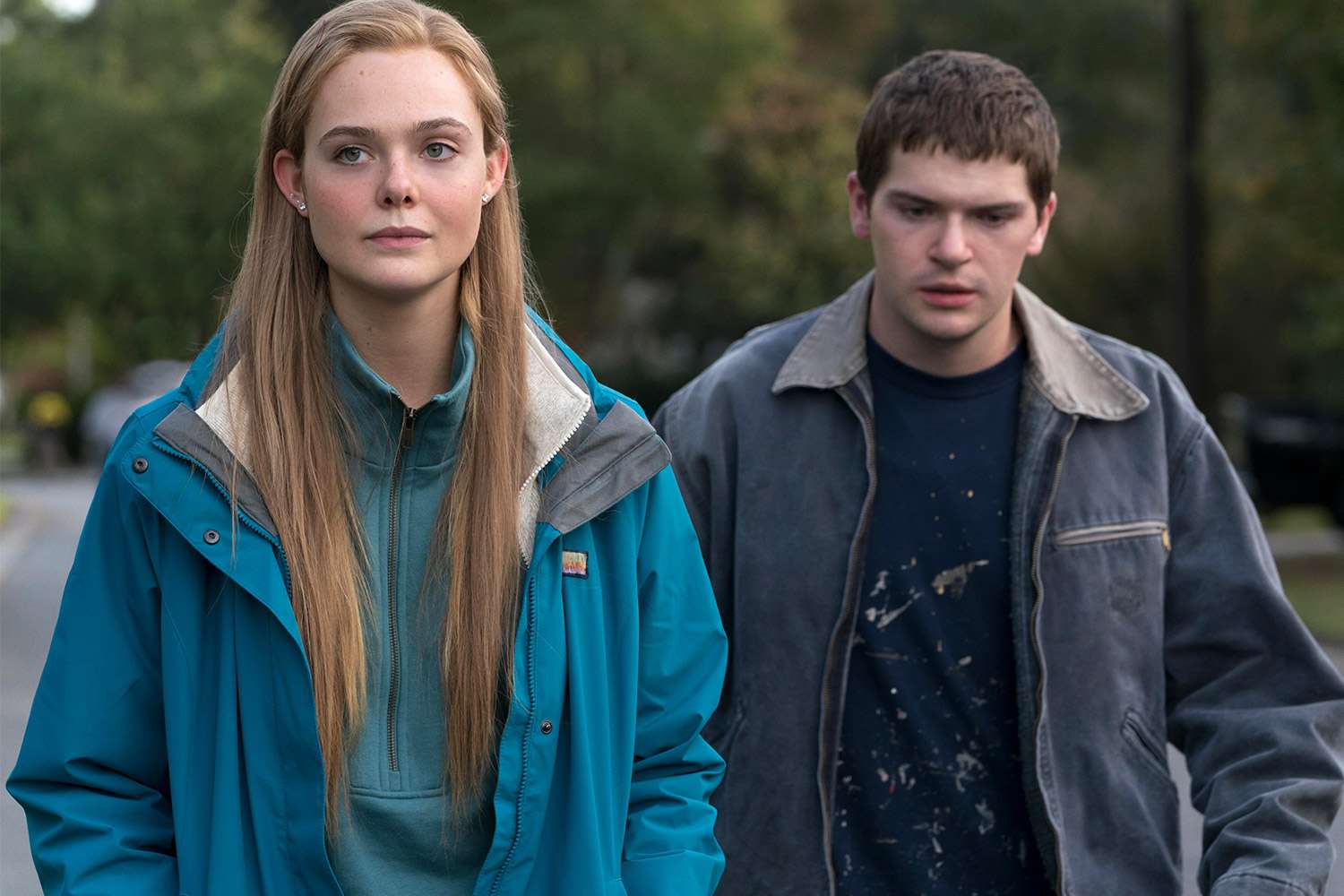
Creative Safety Guidance on Hulu’s The Girl from Plainville
AFSP’s creative support of the Hulu miniseries The Girl from Plainville — a dramatization of the real-life Michelle Carter case surrounding a teen who died by suicide and his girlfriend’s conviction for manslaughter – offers a unique case study of how AFSP provides storytelling guidance.

Reaching Comics and Horror Fans in Support of Teen Mental Health
Naomi collaborated with her father as the co-author of the hit comic book miniseries A Haunted Girl (Image Comics), which combined their real-life experience with a spooky — and inspiring — tale of the supernatural. To ensure the series’ depiction of mental health and suicide was accurate and safe, they reached out to AFSP.

Talking is the first step to preventing suicide.
AFSP's Talk Away the Dark campaign encourages the people in our lives to open up about what they’re thinking, and bring the scariest emotions out of the shadows and into the light. Discover how you can make a difference by learning the warning signs, knowing the risk factors, and bravely having a REAL open and honest conversation with someone you care about.
Get in Touch
We'd love to hear from you anytime!