

When reporting on suicide, ethical practices aren't just about respect — they're about public health and safety. Responsible journalism saves lives.
Research shows that how we talk about suicide in the media can influence health outcomes of those who are vulnerable. Language choices, story placement, and content focus can either contribute to prevention efforts or inadvertently increase risk among those who are at risk for suicide, a phenomenon known as suicide contagion.
Journalists can influence how suicide is understood and perceived in our culture, which is why knowing ethical reporting practices is so important. While nuanced, ethical reporting on suicide refers to using precise, non-stigmatizing language that approaches suicide as a public health issue rather than a sensationalized event. For more suggested guidelines on how to report on suicide, visit https://afsp.org/ethicalreporting.
Oftentimes, journalists seek guidance from their peers when navigating difficult or unfamiliar assignments. AFSP understands how important it is to involve journalists in our work to build credibility, strengthen our relationships and offer new perspectives and learning opportunities — that’s why we formed our Ethical Reporting Advisory Committee.
This committee consists of seven journalists who have experience across the media spectrum, from broadcast news to data journalism. Committee members include:
- Cindy Hsu – Emmy Award winning news reporter and anchor at CBS New York
- Anissa Durham – Independent Health Care Journalist
- David O’Leary – Morning host at CRB Classical 99.5 (WCRB), Voiceover Talent and Camera Spokesperson
- Brandon Kapelow – Director, Photographer, and Freelance Writer
- Rebecca Ruiz – Senior Reporter at Mashable
- Laura Trujillo – Senior National Columnist at USA Today
- Sughnen Yongo – Freelance journalist
Each journalist offers unique perspectives and experiences faced in their newsroom and in their varying roles. The committee assists AFSP in revising our ethical reporting guidelines to reflect common challenges journalists may face when reporting on suicide. They also serve as ambassadors to promote ethical reporting.
The Ethical Reporting Advisory Committee feedback was invaluable to update AFSP’s Ethical Reporting Saves Lives training. This presentation teaches journalists and other groups how their news coverage and messaging about suicide can save lives. It aims to deepen understanding of suicide prevention and how journalists can implement ethical reporting recommendations to protect those at risk of suicide.
Additionally, committee members educate on and advocate for ethical reporting practices amongst their peers and in their newsrooms. Through collaborative efforts, we hope more journalists will feel confident and compelled to follow suicide reporting recommendations and, ultimately, help save lives.
About the committee members:
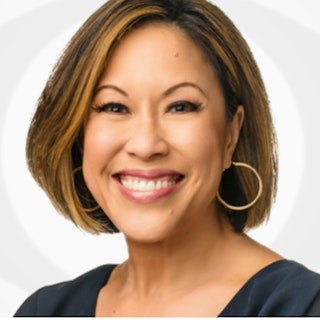
Cindy Hsu: Cindy, reporter and anchor at CBS New York, has openly shared her mental health struggles and lived experiences, hoping to raise awareness and destigmatize mental health. She works on CBS’ Breaking the Stigma segment, where she discusses mental topics and interviews mental health advocates.

Anissa Durham: Anissa is passionate about reporting on communities of color and amplifying their voices. As a health care journalist, she reports on healthcare inequities and mental health in marginalized communities.

David O’ Leary: David is a longtime AFSP volunteer who has been involved since 1995. As a loss survivor and person with lived experience, David hopes to use his platform to normalize mental health conversations and remind people that they are not alone.

Brandon Kapelow: Brandon is a visual storyteller and loss survivor who utilizes multimedia to raise awareness on suicide prevention. He has spent over a decade working as a peer-support facilitator in suicide prevention and postvention.

Rebecca Ruiz: Rebecca focuses on the intersection of mental health, technology, and digital culture. She has covered youth mental health, suicide prevention, and depictions of mental health in entertainment.

Laura Trujillo: Laura is a loss survivor who is dedicated to learning about suicide prevention. She received a 2019 national Headline Award for her work on the USA Today series, “Surviving Suicide.”

Sughnen Yongo: Sughnen is a freelance journalist with previous bylines in Forbes, where she covered healthcare, social justice, and the unique challenges Black women face. As a loss survivor, she is committed to honoring his memory through ethical reporting and storytelling.
Visual Showcase
A Visual Guide to Ethical Reporting



Trusted by Media Professionals And Creators
Related Resources
Find official press releases, media advisories, and public statements from AFSP, ensuring accurate reporting and up-to-date information.
Commit to Ethical Reporting — Download the Guidelines Today
These guidelines are a crucial tool for journalists covering suicide and mental health.
✅ Ensure ethical, accurate reporting.
✅ Support the public with information that helps decrease the risk of suicide contagion.
✅ Join a network of ethical media professionals.
Fill out the form below, and our team will get back to you.
Get in Touch
We'd love to hear from you anytime!